
The truth about casino myths and misconceptions you need to know
Exploring the impact of casinos on local tourism trends
21/01/2026Undgå de mest almindelige fejltagelser når du spiller på casino
22/01/2026The truth about casino myths and misconceptions you need to know
The truth about casino myths and misconceptions you need to know
Understanding the Origins of Casino Myths
The world of gambling is rich with stories and legends, many of which have contributed to common misconceptions about casinos. These myths often stem from a combination of cultural beliefs, anecdotal experiences, and the natural human tendency to seek patterns in randomness. For instance, some players might look for a list of casinos not on gamstop to find perceived safer options, believing this will impact their odds, yet statistically, the odds in games remain unchanged regardless of when they are played.
As casinos evolved over centuries, so too did the myths surrounding them. Early gambling establishments were often associated with social gatherings and festivities, leading to a blend of entertainment and folklore. This historical context has played a significant role in shaping modern perceptions and misconceptions, making it essential to differentiate fact from fiction.
The Gambler’s Fallacy Explained
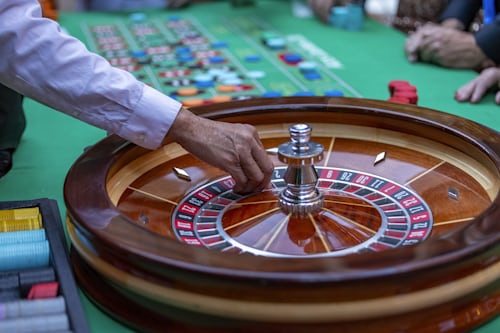
One of the most pervasive myths in gambling is the gambler’s fallacy, the belief that past events can influence future outcomes in games of chance. For instance, if a roulette wheel lands on red several times in a row, many players may believe that black is “due” to occur. In reality, each spin of the wheel is independent, and the odds remain constant. Understanding this principle is crucial for informed decision-making in the casino.
By recognizing the gambler’s fallacy, players can better navigate their gambling experiences without falling prey to emotional biases. This awareness allows for a more strategic approach to gaming, enhancing enjoyment while reducing the likelihood of significant losses based on misconceptions about probability.
The Illusion of Control
Another common misconception is the belief that players can exert control over game outcomes, especially in skill-based games like poker or blackjack. Many believe that certain strategies or “lucky” rituals can lead to consistent success. While skill does play a role in these games, the element of chance remains a significant factor, and no strategy guarantees a win.
The illusion of control can lead players to make risky bets or chase losses, ultimately detracting from their overall gaming experience. Understanding the balance between skill and luck is essential for anyone looking to engage in gambling responsibly and enjoyably.
The House Edge: Separating Fact from Fiction
Many players are unaware of how the house edge impacts their chances of winning. This statistical advantage is built into every game, ensuring that over time, the casino will make a profit. Some believe that certain games have better odds than others, leading them to favor specific games without understanding the underlying mathematics.
Educating oneself about the house edge is vital for making informed choices at the casino. By choosing games with lower house edges, players can maximize their potential for success, even while acknowledging that luck is always a factor. Awareness of this edge fosters a more realistic and enjoyable gambling experience.

About This Website
This website serves as an informative resource for individuals interested in demystifying the world of casinos and gambling. By addressing common myths and misconceptions, it aims to provide readers with the knowledge they need to engage in gaming responsibly. Users are encouraged to explore the information available and gain a deeper understanding of the principles that govern casino games.
In an industry often shrouded in mystery and misinformation, this platform prioritizes user education and awareness. By fostering informed discussions and sharing accurate insights, the website strives to support individuals in navigating the complex world of gambling confidently and knowledgeably.